
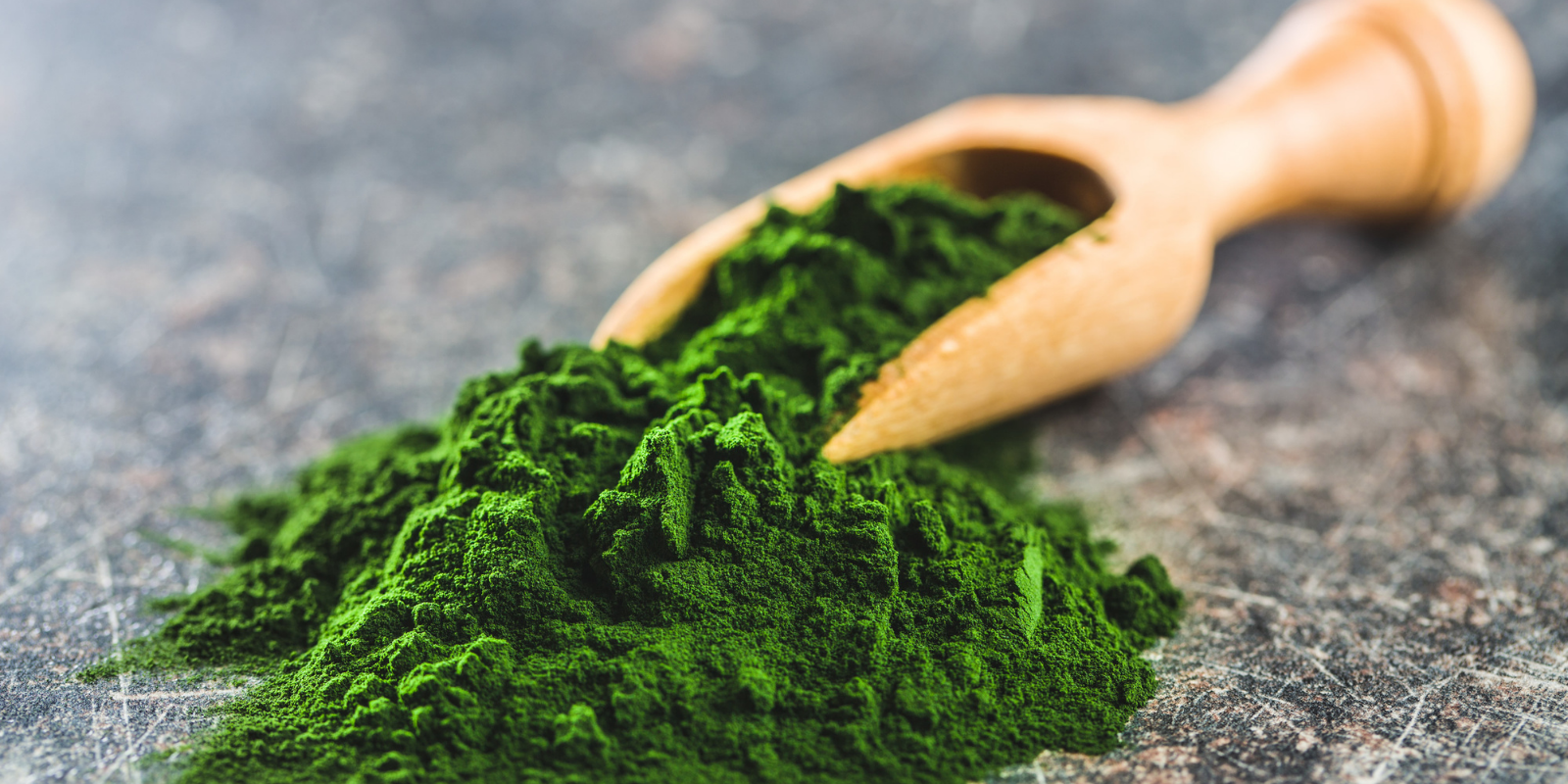
What is Spirulina
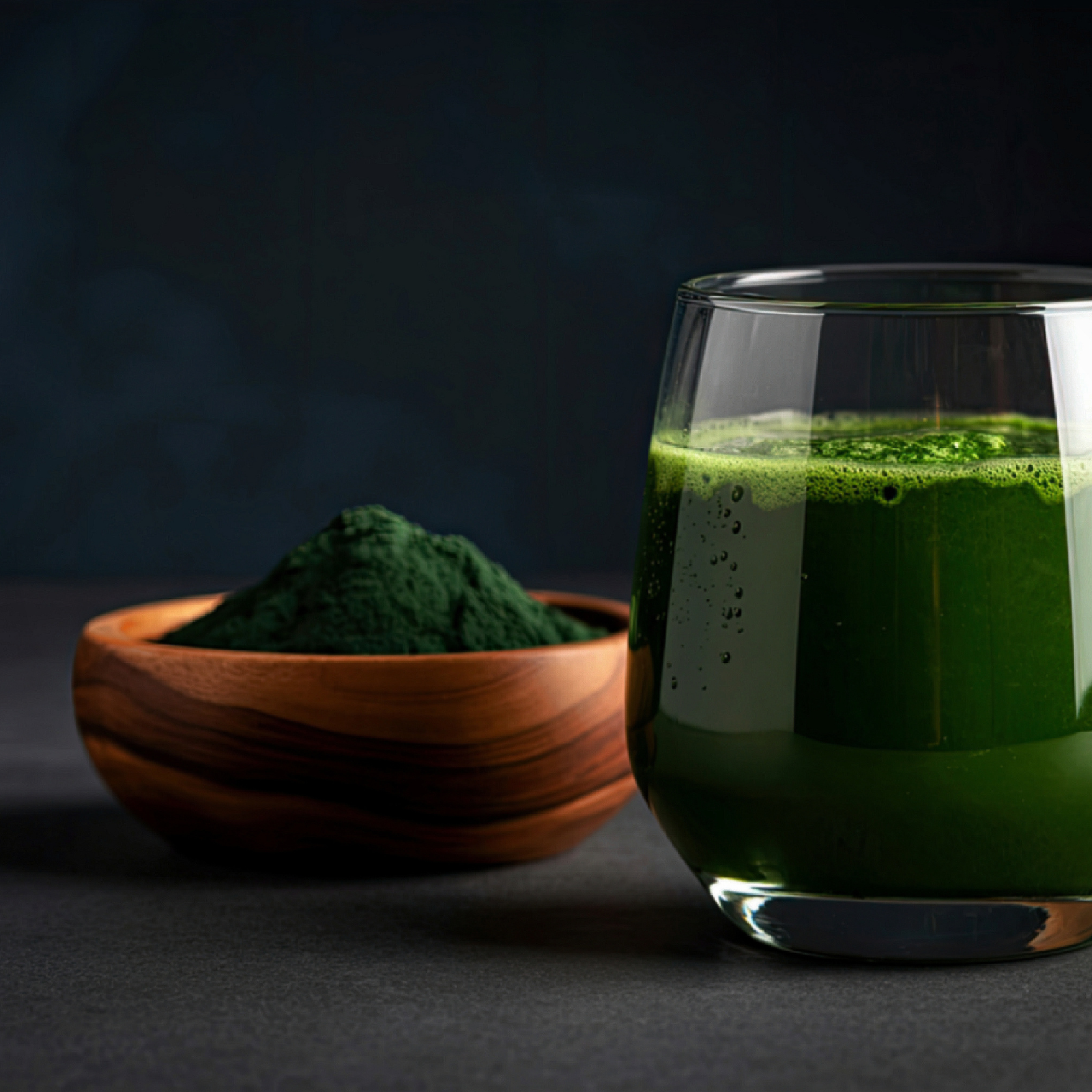
All about Spirulina
Earth gives us so much to be thankful for—including spirulina, a powerful source of nourishment for the mind, body, and soul.
Spirulina is a blue‑green microalga widely regarded as a superfood, valued for its rich nutritional profile. Naturally high in beta‑carotene, a precursor to vitamin A, spirulina may help support immune function, promote healthy cell renewal, and reduce oxidative stress. Its antioxidant compounds may also support healthy circulation by helping combat free radicals in the body. In addition, spirulina’s high protein content supports overall strength, vitality, and physical conditioning.
Because of its high nutritional value, spirulina is considered one of the world’s oldest natural sources of nourishment. Ancient Aztec and African civilizations recognized spirulina for its health‑supporting properties, and today, modern scientific research continues to highlight its impressive nutritional profile. Spirulina is a rich source of protein, containing both essential and non‑essential amino acids, along with gamma‑linolenic acid (GLA), vitamin A (as beta‑carotene), vitamin B12, iron, calcium, chlorophyll, and phycocyanin. In addition, spirulina is suitable for both vegetarian and vegan lifestyles.
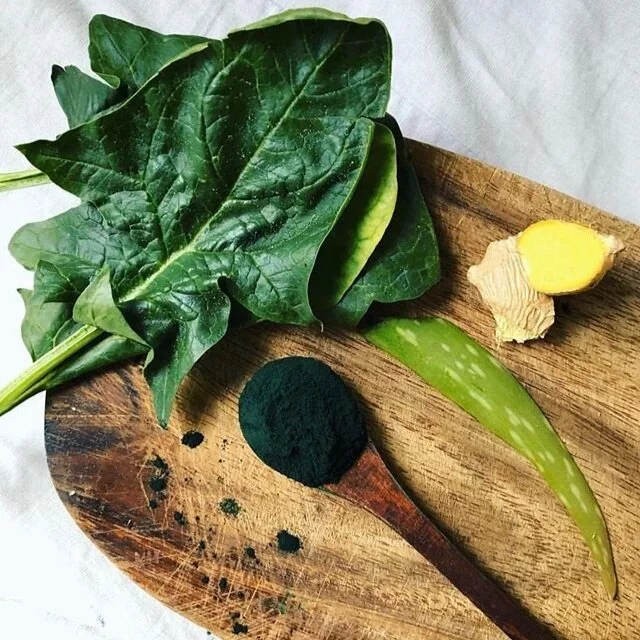
Paired with other fruits and vegetables such as kale, ginger, and aloe, spirulina can be used to make a smoothie that is both delicious and nutritionally rich. Kale, aloe, and ginger provide nutrients such as folate, vitamin C, zinc, and potassium, which complement the nutritional profile of Earthrise® California‑grown spirulina. In addition, vitamin C helps support the body’s absorption of spirulina’s naturally high iron content..
Quality
Like any food, spirulina comes in varying levels of quality depending on where it is grown, how it is produced, and who produces it. These differences can affect taste, color, aroma, and nutritional content. High‑quality spirulina should not have a strong or overpowering taste, nor should it have a strong fishy scent. It should also have a deep, dark green color.
High‑quality spirulina comes from producers that use fresh mineral water, cultivate it in low‑pollution environments with ample sunlight, and do not use fermented nutrients. With Californian sunshine, mineral rich water, and clean air - Earthrise® grows the cleanest and highest quality spirulina on earth. Plus, our California grown spirulinais Non-GMO Project Verified, Prop 65 compliant, kosher, halal, and KETO-friendly. It is also non-allergenic.
Taste
Spirulina is naturally mild in flavor, typically neutral or delicately bitter. When cultivated with care and precision, powdered spirulina blends effortlessly into foods and beverages, becoming virtually imperceptible once mixed. Strong fishy, sharply bitter, or salty notes are not characteristic of well‑grown spirulina and often reflect inferior growing conditions. Properly cultivated spirulina harmonizes smoothly with recipes, delivering its nutritional benefits without altering taste—while lower‑quality spirulina tends to overwhelm and distract from other ingredients.
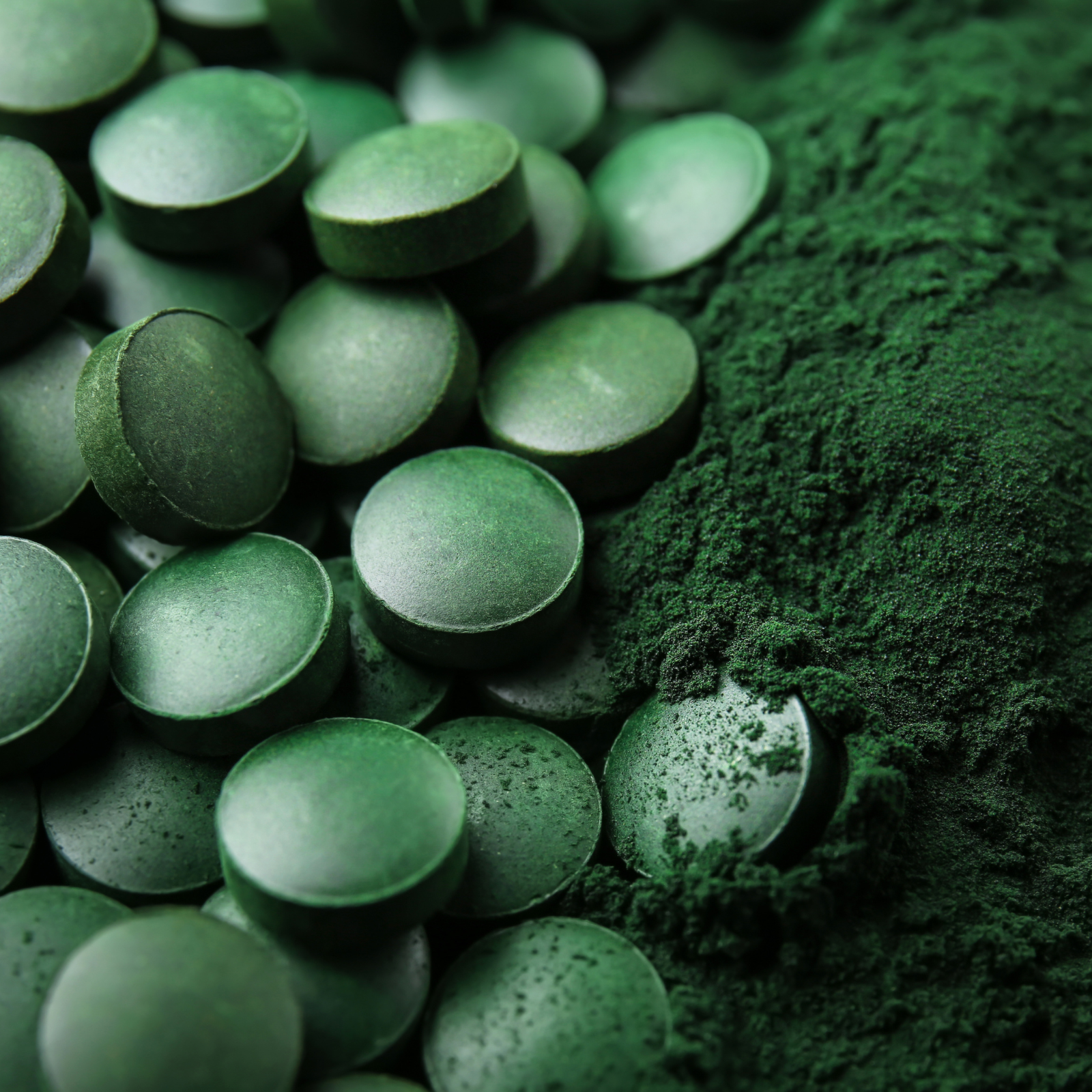
Color
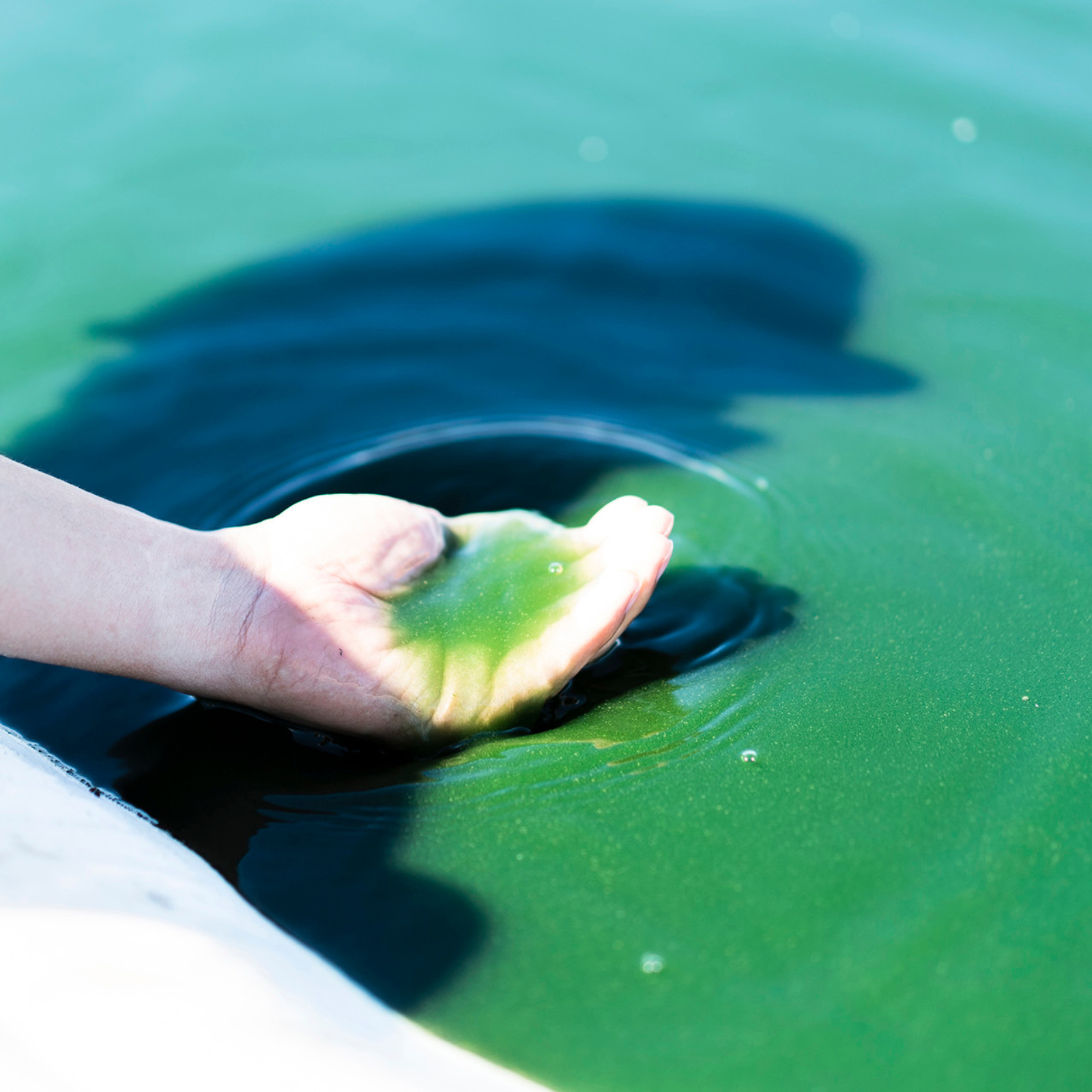
Spirulina is microscopic in structure, appearing as delicate spirals when viewed under a microscope. Its natural blue‑green color comes from its rich concentration of phycocyanin and chlorophyll. Once harvested, dried, and packaged, high‑quality spirulina should have a deep forest‑green appearance. A darker green hue is often associated with superior spirulina, reflecting higher levels of phycocyanin and a more robust nutritional profile.
Smell
Spirulina naturally has a light, ocean‑like aroma and is not known for having a strong or pungent smell. High‑quality spirulina typically has a clean, subtle scent that reflects careful cultivation and processing. An overly strong or fishy odor is not characteristic of well‑produced spirulina and may be associated with lower quality or inconsistent production practices. In general, premium spirulina is distinguished by its mild, muted aroma, while lower‑quality products tend to have a more noticeable and less refined scent.
Do you take Spirulina?
We asked people in beautiful San Diego to see how familiar they are with spirulina. While spirulina is widely recognized as a nutritious ingredient, many people still don’t know much about it. We took to the streets of San Diego to quiz passersby on their knowledge of spirulina and its benefits. Find out who’s familiar with spirulina—and who’s just discovering it for the first time!
Get in Touch
It all begins with reaching out.
From business inquiries to product questions, our team is ready to support you. Contact us and we’ll point you in the right direction.